


Jacksonville sits at the intersection of the St. Johns River and the Atlantic Ocean, creating a perfect storm for water intrusion. The city receives 52 inches of rain annually, well above the national average, with violent afternoon thunderstorms from June through September. Hurricane season brings storm surge risks to Riverside, San Marco, and Atlantic Beach properties. The St. Johns River floods regularly, threatening homes in Ortega and Mandarin during king tides and tropical systems.
Your property faces unique threats beyond weather. Jacksonville's high water table means crawl spaces and basements in Springfield and Avondale collect moisture year-round. The subtropical climate keeps humidity above 70 percent for eight months, creating ideal conditions for mold growth within 48 hours of water exposure. Aging infrastructure in historic neighborhoods like Five Points means pipe failures happen without warning. Air conditioning systems run continuously to fight humidity, and when drain pans overflow or condensate lines clog, ceilings collapse and drywall crumbles. These conditions demand immediate professional response, not DIY attempts that lead to hidden damage and insurance claim denials.
Fortress Water Damage Restoration Jacksonville maintains a fleet of fully stocked response vehicles stationed across Duval County. While competitors dispatch from distant warehouses, our trucks park in Jacksonville overnight, ready to reach Arlington, Baymeadows, or Northside properties within the critical first hour. We staff three shifts of IICRC-certified technicians who live in Jacksonville, understand local construction methods, and know which neighborhoods flood during specific storm patterns.
Our response protocol starts the moment you call. We dispatch immediately while competitors schedule appointments for tomorrow. We arrive with truck-mounted extraction units powerful enough to remove thousands of gallons in hours, not the small shop-vacs that leave moisture trapped in subflooring. Our thermal imaging cameras locate hidden water inside walls before it destroys framing. We place commercial dehumidifiers calibrated for Florida's humidity levels, and we monitor moisture readings twice daily until structures reach industry-standard dryness.
We work directly with every major insurance carrier operating in Jacksonville. Our estimators document damage using Xactimate software that adjusters recognize and approve. We photograph everything, measure moisture content in real time, and create reports that insurance companies accept without argument. You get one point of contact who handles billing, coordinates repairs, and keeps you informed through text updates. We guarantee our drying work in writing, something fly-by-night restoration companies never offer. When the next tropical storm hits Jacksonville, you want a company that answers phones at 3 AM and arrives before the water stops rising.

Our Jacksonville-based crews dispatch within minutes of your call and arrive on-site within one hour, 24 hours a day. We bring truck-mounted extraction equipment, commercial dehumidifiers, and thermal imaging cameras on every call. While water spreads and damage worsens, we're already extracting thousands of gallons and preventing mold growth.

We handle complete insurance coordination for every Jacksonville water damage claim. Our estimators use Xactimate software to create documentation that adjusters approve immediately. We bill your insurance company directly, communicate with adjusters throughout the process, and fight for full coverage of necessary restoration work. You focus on your family while we handle paperwork.
Every technician on our Jacksonville crews holds current IICRC certification in water damage restoration and applied structural drying. We follow Institute of Inspection Cleaning and Restoration Certification protocols for moisture detection, extraction, and drying. Our team completes ongoing training in Florida-specific challenges like hurricane damage, mold prevention, and saltwater intrusion from coastal flooding.
Our crews live in Jacksonville and understand local construction methods, flood patterns, and building codes. We know which neighborhoods face storm surge during hurricanes, where the St. Johns River floods during king tides, and how Jacksonville's humidity affects drying times. This local expertise means faster diagnosis, accurate estimates, and restoration methods that work in Florida's climate.
Fortress Water Damage Restoration Jacksonville handles every type of water intrusion from minor leaks to catastrophic flooding. Our service categories cover emergency water removal, structural drying and dehumidification, and complete property restoration including reconstruction. We deploy different equipment and techniques based on water source, contamination level, and affected materials.
Clean water from supply lines requires different treatment than contaminated water from sewage backups or storm surge. We follow IICRC S500 standards that classify water damage into three categories and match our response to contamination risk. Category 1 clean water gets extracted and dried. Category 2 gray water from appliances requires antimicrobial treatment. Category 3 black water from flooding or sewage demands complete removal of porous materials and intensive disinfection.
Our Jacksonville facility stocks equipment for all scenarios. Truck-mounted extractors remove standing water in minutes. Trailer-mounted desiccant dehumidifiers dry entire buildings in days. Air movers create circulation that prevents mold. Moisture meters and thermal cameras find hidden water. Antimicrobial foggers sanitize affected areas. We bring the right tools for your specific water damage situation, whether that's a burst pipe in Mandarin or hurricane flooding in Jacksonville Beach.
When water floods your property, immediate extraction prevents permanent damage to flooring, drywall, and structural components. Our emergency crews arrive within 60 minutes with truck-mounted extraction units that remove thousands of gallons per hour. We extract standing water, pull saturated carpeting and padding, remove damaged contents, and begin structural drying before mold takes hold. Emergency board-up services protect properties from weather and theft. This rapid mitigation reduces claim costs and saves materials that would otherwise require replacement.
Complete water damage remediation requires removing moisture trapped inside walls, subflooring, and structural cavities. We place commercial dehumidifiers calibrated for Jacksonville's humidity levels and monitor moisture readings twice daily using professional moisture meters. Air movers create circulation that accelerates evaporation. Thermal imaging cameras verify complete dryness before we close walls. Our drying protocols follow IICRC standards and prevent future mold growth. We document everything with daily moisture logs that insurance adjusters require for claim approval.
Water damage restoration doesn't end when structures dry. Our in-house reconstruction crews rebuild everything water destroyed, from drywall and flooring to kitchen cabinets and bathroom fixtures. We handle complete remodeling projects that restore your Jacksonville property to pre-loss condition or better. Licensed contractors manage all trades including plumbing repairs, electrical work, and HVAC system replacement. One company handles your entire project from emergency extraction through final walkthrough, eliminating coordination headaches and reducing total restoration time.
Jacksonville properties face water damage from multiple sources, each requiring different response strategies. Burst pipes happen year-round but spike during rare freezes when exposed pipes in attics and crawl spaces crack. Aging water heaters fail without warning, flooding garages and utility rooms with 40-50 gallons. Storm damage from hurricanes and tropical systems brings flooding, roof damage, and wind-driven rain that penetrates building envelopes.
The St. Johns River creates unique flooding risks for properties in Riverside, Ortega, and San Marco. King tides combined with heavy rain cause the river to overflow its banks, flooding streets and seeping into ground floors. Hurricane storm surge threatens Atlantic Beach, Neptune Beach, and Jacksonville Beach properties with saltwater intrusion that corrodes metal components and requires specialized cleaning.
Air conditioning systems fail frequently in Jacksonville's demanding climate. Condensate drain lines clog with algae, overflow pans crack, and evaporator coils freeze then flood when they thaw. These slow leaks hide inside walls and ceilings for weeks, creating perfect conditions for toxic mold growth. Commercial properties face additional risks from sprinkler system malfunctions, roof leaks, and plumbing failures in multi-story buildings where water travels down through multiple floors.
Tropical systems bring torrential rain and storm surge that overwhelm drainage systems and flood low-lying Jacksonville neighborhoods. Category 2 and 3 water from flooding requires complete removal of porous materials like drywall, insulation, and carpeting. Our crews extract contaminated water, remove damaged materials, disinfect all surfaces, and dry structural components before mold appears. We work directly with flood insurance adjusters to document damage.
Supply line failures release clean water under pressure, flooding rooms in minutes. Older homes in Springfield and Riverside have galvanized pipes prone to corrosion and failure. Our emergency response stops water flow, extracts standing water, and begins drying within the critical first hour. Fast response prevents secondary damage to flooring, cabinetry, and structural framing. We coordinate with plumbers to repair failed components while we handle restoration.
Slow leaks from appliances, air conditioning systems, and roof damage hide inside walls and attics for months. By the time you notice staining or odors, toxic mold has colonized drywall, insulation, and framing. Our thermal imaging cameras locate moisture inside building cavities without demolition. We identify leak sources, contain affected areas, remove contaminated materials following EPA protocols, and treat surfaces with antimicrobial solutions. Complete mold remediation prevents health problems and liability.
Sewer line failures release category 3 black water containing bacteria, viruses, and parasites. This contaminated water requires specialized extraction, complete removal of porous materials, and intensive disinfection. Our technicians wear protective equipment, contain affected areas to prevent cross-contamination, and follow IICRC S500 standards for category 3 water cleanup. We dispose of contaminated materials properly and sanitize all surfaces before reconstruction begins.
Your experience with Fortress Water Damage Restoration Jacksonville starts the moment you call our emergency line. Our dispatcher asks specific questions about your water damage situation, provides immediate guidance to prevent further damage, and dispatches the closest crew to your property. You receive a text message with your technician's name, photo, and estimated arrival time.
Our crew arrives in clearly marked vehicles with all necessary equipment already loaded. The lead technician introduces the team, inspects all affected areas, and explains the restoration process in plain language. We document damage with photos and moisture readings, answer questions about insurance coverage, and provide a detailed scope of work before starting any billable services.
Throughout the restoration process, you receive daily text updates on moisture levels and project progress. Your dedicated project manager remains available by phone to answer questions and coordinate with your insurance adjuster. We schedule work around your life, protecting unaffected areas with plastic barriers and keeping disruption minimal. When restoration completes, we perform a final walkthrough, provide documentation for your insurance company, and guarantee our work in writing. You deal with one company from emergency call to final invoice, eliminating the confusion of coordinating multiple contractors.
Our 24/7 emergency line connects you directly to dispatch, not an answering service. We provide immediate guidance to stop water flow and prevent additional damage while crews mobilize. Technicians arrive within 60 minutes carrying extraction equipment, moisture meters, and thermal imaging cameras. The initial assessment documents all damage with photos and moisture readings that insurance adjusters require. We explain the complete restoration process, answer coverage questions, and begin emergency mitigation immediately. You receive a detailed written estimate before any non-emergency work begins.
Water damage restoration takes days or weeks depending on severity and affected materials. Our technicians visit your property twice daily to check moisture levels, adjust equipment, and monitor drying progress. You receive text updates after each visit showing current moisture readings and estimated completion dates. Your project manager stays in constant contact with your insurance adjuster, submitting required documentation and answering questions about scope changes. We maintain detailed moisture logs and photo documentation that prove compliance with IICRC standards. No surprises, no hidden charges, no communication gaps.
We guarantee all structural drying work meets IICRC S500 standards for complete moisture removal. Final moisture readings confirm affected materials have returned to normal dry standards before we remove equipment. You receive a complete project file including initial damage documentation, daily moisture logs, equipment placement records, and final verification readings. This documentation satisfies insurance requirements and protects you from future mold claims. Our written guarantee covers workmanship and ensures your Jacksonville property has been properly restored to safe, dry conditions.
We follow a systematic approach that prioritizes emergency mitigation, complete structural drying, and quality restoration. This process has successfully restored thousands of Jacksonville properties from minor leaks to catastrophic flooding.
Our crews arrive within 60 minutes and immediately extract standing water using truck-mounted pumps that remove thousands of gallons per hour. We pull saturated carpeting and padding, remove damaged contents to our climate-controlled storage facility, and extract water trapped in subflooring. Emergency board-up services protect properties from weather and unauthorized entry. Infrared cameras locate hidden moisture inside walls and ceilings. We place initial drying equipment and document all damage with photos and moisture readings for your insurance claim.
Complete moisture removal requires days of controlled drying using commercial dehumidifiers and air movers. We monitor affected areas twice daily with professional moisture meters, adjusting equipment placement and settings based on readings. Thermal imaging verifies moisture is evaporating from structural cavities. Daily logs track progress toward IICRC dry standards. This systematic approach prevents mold growth and ensures insurance adjusters have documentation they need to approve your claim. We never remove equipment until final readings confirm complete dryness.
Once structures reach verified dryness, our reconstruction crews rebuild everything water damaged. We replace drywall, install new flooring, paint walls, and reinstall fixtures. Licensed contractors handle plumbing repairs, electrical work, and HVAC modifications. We match existing finishes and coordinate with your insurance adjuster on material selections. The final walkthrough ensures every detail meets your approval before project closeout. You receive complete documentation for insurance and our written guarantee covering all restoration work.
Professional water damage restoration in Jacksonville requires strict adherence to Institute of Inspection Cleaning and Restoration Certification standards, specifically the IICRC S500 Standard for Water Damage Restoration. These protocols classify water damage by contamination level and establish specific response requirements for each category. Category 1 clean water from supply lines requires extraction and drying. Category 2 gray water from appliances or rainwater requires antimicrobial treatment. Category 3 black water from sewage or flooding requires complete removal of porous materials and intensive disinfection.
Florida's building codes and Jacksonville's permitting requirements add complexity to restoration projects. Reconstruction work requiring structural modifications needs permits from the City of Jacksonville Building Inspection Division. Licensed contractors must perform electrical and plumbing repairs to code. Insurance companies operating in Florida require specific documentation including moisture mapping, daily drying logs, and final verification readings that prove compliance with industry standards.
Water damage claims fall under different insurance policies depending on the source. Sudden and accidental water damage from burst pipes falls under homeowners insurance. Flooding from external water sources requires separate flood insurance through FEMA's National Flood Insurance Program. Insurance adjusters evaluate claims based on documented evidence of damage, appropriate response protocols, and reasonable repair costs. Contractors who understand these requirements, use industry-standard estimating software like Xactimate, and provide complete documentation get claims approved faster and at full value.
Jacksonville's climate creates unique challenges for water damage restoration. High humidity year-round means standard drying times don't apply. Structures take longer to dry, requiring extended equipment rental periods. Mold growth begins within 48 hours in Florida's heat and humidity. Proper restoration requires containment barriers, HEPA filtration, and antimicrobial treatment even for category 1 clean water losses. Saltwater intrusion from coastal flooding requires specialized cleaning to prevent long-term corrosion of metal components, concrete degradation, and electrical system damage.
The IICRC S500 standard classifies water damage into three categories based on contamination level. Category 1 clean water from supply lines requires extraction and structural drying. Category 2 gray water from dishwashers or washing machines requires antimicrobial treatment. Category 3 black water from sewage or flooding requires complete removal of porous materials, intensive disinfection, and disposal following EPA guidelines. Proper classification determines restoration procedures, safety equipment requirements, and insurance coverage.
Restoration costs depend on water category, affected square footage, materials damaged, and drying time required. Category 3 contaminated water costs more to remediate due to disposal requirements and intensive cleaning protocols. Hardwood flooring and custom cabinetry cost more to replace than carpet and standard fixtures. Jacksonville's humidity extends drying times and equipment rental periods. Hidden damage inside walls increases project scope. Insurance deductibles and policy limits affect your out-of-pocket costs.
Emergency extraction happens within hours of our arrival. Structural drying takes three to five days for minor damage, one to two weeks for major flooding. Jacksonville's humidity can extend drying times beyond national averages. Reconstruction timeframes depend on scope of work and material availability. Simple drywall replacement takes days while complete remodeling takes weeks. Insurance approval processes add time to project schedules. We provide realistic timelines based on actual damage assessment, not optimistic guesses.
Florida insurance companies require specific documentation to approve water damage claims. Initial damage assessment must include photos, moisture readings, and scope of loss. Daily moisture logs prove proper drying protocols. Final verification readings confirm complete moisture removal. Estimates must use Xactimate software that adjusters recognize. Proper documentation means faster approval and full claim payment. Incomplete records lead to claim delays, partial payments, or outright denials.
This video explains the complete water damage restoration process for Jacksonville Florida properties, covering emergency water extraction, structural drying protocols, and insurance coordination. Learn about IICRC certification standards, water damage categories, Florida-specific humidity challenges, and proper restoration techniques. The video demonstrates equipment used for water removal and moisture control, timeline expectations for complete drying, and documentation requirements for insurance claims. Applicable to residential and commercial properties experiencing flooding, burst pipes, storm damage, or appliance failures requiring professional water damage remediation services in Jacksonville and Duval County Florida.
Fortress Water Damage Restoration Jacksonville serves all of Duval County and surrounding Northeast Florida communities. Our central location allows rapid response to emergency calls from Riverside to the Beaches, from Northside to Mandarin. We maintain detailed knowledge of water damage patterns and risks specific to each neighborhood.
Historic properties in Springfield and Avondale face unique restoration challenges due to original construction methods, pier and beam foundations, and aging plumbing systems. These neighborhoods flood during heavy rain when storm drains overwhelm. We understand how to restore historic homes without damaging original architectural features, working with preservation requirements when properties fall within historic districts.
Riverside, San Marco, and Ortega properties along the St. Johns River face flooding during king tides and tropical storms. Storm surge from hurricanes pushes river water inland, flooding streets and seeping into ground floors. Our crews understand the difference between freshwater river flooding and saltwater storm surge, using appropriate cleaning methods for each contamination type.
Atlantic Beach, Neptune Beach, and Jacksonville Beach properties face direct hurricane storm surge and wind-driven rain that penetrates building envelopes. Saltwater intrusion requires specialized restoration to prevent long-term corrosion damage. We coordinate with coastal insurance adjusters familiar with flood and wind claims affecting beachside properties.
Mandarin and Southside neighborhoods have grown rapidly with newer construction on former wetlands. High water tables mean crawl spaces collect moisture year-round. New construction often has stucco exteriors that trap moisture when improperly flashed windows leak. We identify construction defects that contribute to water damage and work with builders to coordinate warranty repairs.
Arlington, Baymeadows, and the Northside contain a mix of residential and commercial properties. Multi-family housing, retail centers, and office buildings require large-scale extraction equipment and commercial drying capabilities. Our fleet includes trailer-mounted desiccant dehumidifiers that dry entire buildings in days. We handle emergency water damage for property management companies, commercial tenants, and business owners throughout Jacksonville's commercial corridors. Whether you need water damage restoration in Riverside's historic district, emergency flooding response in Mandarin, or commercial water extraction in Arlington, our Jacksonville crews respond within 60 minutes with the right equipment for your specific situation.
Water damage restoration in Jacksonville addresses flooding from hurricanes, tropical storms, burst pipes, and roof leaks. The process includes water extraction, drying, dehumidification, and mold prevention. Jacksonville's humid subtropical climate makes quick action essential. You need professional help within 24-48 hours to prevent mold growth and structural damage. Restoration teams use moisture meters, industrial fans, and dehumidifiers to restore your property. They document damage for insurance claims and handle contents restoration. The service protects your home from long-term problems like wood rot, foundation issues, and health hazards.
Response time matters for water damage in Jacksonville. Call a restoration company immediately after discovering water intrusion. Professionals arrive within hours to assess damage and begin extraction. The first 24 hours determine whether you face minor repairs or major reconstruction. Jacksonville's humidity accelerates mold growth, which starts within 24-48 hours. Quick action saves flooring, drywall, and furniture. Restoration teams work with your insurance company to document losses. They provide emergency services around the clock, including holidays. Delaying restoration increases damage and costs.
Jacksonville restoration companies use specialized equipment for water removal. Industrial-grade extractors pull standing water from floors and carpets. Air movers create airflow to speed drying. Commercial dehumidifiers remove moisture from air and materials. Moisture meters measure wetness in walls, floors, and ceilings. Infrared cameras detect hidden water behind surfaces. HEPA air scrubbers filter airborne contaminants and mold spores. Professionals monitor conditions daily and adjust equipment as needed. This technology prevents secondary damage and ensures thorough drying. Proper equipment makes the difference between successful restoration and ongoing problems.
Water damage restoration in Jacksonville addresses flooding from hurricanes, tropical storms, burst pipes, and roof leaks. The process includes water extraction, drying, dehumidification, and mold prevention. Jacksonville's humid subtropical climate makes quick action essential. You need professional help within 24-48 hours to prevent mold growth and structural damage. Restoration teams use moisture meters, industrial fans, and dehumidifiers to restore your property. They document damage for insurance claims and handle contents restoration. The service protects your home from long-term problems like wood rot, foundation issues, and health hazards.
Response time matters for water damage in Jacksonville. Call a restoration company immediately after discovering water intrusion. Professionals arrive within hours to assess damage and begin extraction. The first 24 hours determine whether you face minor repairs or major reconstruction. Jacksonville's humidity accelerates mold growth, which starts within 24-48 hours. Quick action saves flooring, drywall, and furniture. Restoration teams work with your insurance company to document losses. They provide emergency services around the clock, including holidays. Delaying restoration increases damage and costs.
Jacksonville restoration companies use specialized equipment for water removal. Industrial-grade extractors pull standing water from floors and carpets. Air movers create airflow to speed drying. Commercial dehumidifiers remove moisture from air and materials. Moisture meters measure wetness in walls, floors, and ceilings. Infrared cameras detect hidden water behind surfaces. HEPA air scrubbers filter airborne contaminants and mold spores. Professionals monitor conditions daily and adjust equipment as needed. This technology prevents secondary damage and ensures thorough drying. Proper equipment makes the difference between successful restoration and ongoing problems.
Your insurance policy typically covers sudden water damage from burst pipes, appliance failures, and storm damage. Read your policy carefully to understand coverage limits and exclusions. Most policies exclude gradual damage from poor maintenance or flooding from external sources. You need separate flood insurance for rising water from storms or rivers. Document everything with photos and videos before restoration begins. Keep receipts for emergency repairs and temporary housing. File your claim immediately and provide detailed information. Work with restoration companies experienced in insurance claims to maximize your coverage.
Mold becomes a serious concern after water damage in Jacksonville. The city's warm, humid climate creates ideal conditions for mold growth. Spores germinate within 24-48 hours on wet surfaces. Black mold, mildew, and other fungi spread quickly through drywall, insulation, and wood. Professional restoration prevents mold by extracting water quickly and drying thoroughly. Technicians use antimicrobial treatments on affected areas. Air scrubbers remove airborne spores during cleanup. Address water damage immediately to avoid health risks like respiratory problems and allergic reactions. Prevention costs less than mold remediation.
Jacksonville faces unique water damage risks from weather and geography. Hurricane season brings heavy rain and storm surge from June through November. Tropical storms cause flooding even without hurricane-force winds. The St. Johns River and Atlantic Ocean create flood risks in coastal areas. Summer thunderstorms dump several inches of rain in hours. Aging infrastructure and plumbing systems fail more often in older neighborhoods. High humidity slows natural drying and promotes mold. Your location determines your risk level. Riverfront and coastal properties need extra protection and faster response times.
Professional restoration follows a systematic process. Technicians first inspect damage and identify the water source. They categorize water as clean, gray, or black based on contamination level. Extraction removes standing water using pumps and vacuums. Air movers and dehumidifiers dry affected areas over several days. Teams remove unsalvageable materials like soaked drywall and insulation. They clean and sanitize all surfaces. Final steps include odor removal and monitoring moisture levels. The process takes 3-7 days for most residential jobs. Severe damage requires longer timelines and reconstruction.
You should take immediate steps before professionals arrive. Stop the water source if safe to do so. Turn off electricity in affected areas to prevent shock hazards. Move furniture and valuables to dry areas. Remove standing water with mops and towels if amounts are small. Open windows for ventilation if weather permits. Take photos and videos for insurance documentation. Remove wet rugs and fabrics. Place aluminum foil under furniture legs to prevent stains. Do not use household vacuums for water removal. Avoid entering rooms with ceiling damage or deep water.
Finding qualified restoration companies in Jacksonville requires research. Look for IICRC certification, which indicates proper training in water damage restoration. Check online reviews and ratings from previous customers. Verify the company responds 24/7 for emergencies. Ask about experience with insurance claims and documentation. Request references from recent jobs similar to yours. Confirm they use professional-grade equipment and follow industry standards. Avoid companies requiring large upfront payments. Get written estimates detailing the scope of work. Choose local companies familiar with Jacksonville's climate and common water damage scenarios.
Preventing water damage in Jacksonville starts with regular home maintenance. Inspect your roof twice yearly for missing shingles and leaks. Clean gutters and downspouts to direct water away from your foundation. Check appliance hoses and connections for wear. Install water sensors near water heaters, washing machines, and sinks. Know where your main water shutoff valve is located. Trim trees away from your roof and power lines. Seal windows and doors before storm season. Consider a sump pump if you have a basement. Regular inspections catch small problems before they become expensive disasters.
Your insurance policy typically covers sudden water damage from burst pipes, appliance failures, and storm damage. Read your policy carefully to understand coverage limits and exclusions. Most policies exclude gradual damage from poor maintenance or flooding from external sources. You need separate flood insurance for rising water from storms or rivers. Document everything with photos and videos before restoration begins. Keep receipts for emergency repairs and temporary housing. File your claim immediately and provide detailed information. Work with restoration companies experienced in insurance claims to maximize your coverage.
Mold becomes a serious concern after water damage in Jacksonville. The city's warm, humid climate creates ideal conditions for mold growth. Spores germinate within 24-48 hours on wet surfaces. Black mold, mildew, and other fungi spread quickly through drywall, insulation, and wood. Professional restoration prevents mold by extracting water quickly and drying thoroughly. Technicians use antimicrobial treatments on affected areas. Air scrubbers remove airborne spores during cleanup. Address water damage immediately to avoid health risks like respiratory problems and allergic reactions. Prevention costs less than mold remediation.
Jacksonville faces unique water damage risks from weather and geography. Hurricane season brings heavy rain and storm surge from June through November. Tropical storms cause flooding even without hurricane-force winds. The St. Johns River and Atlantic Ocean create flood risks in coastal areas. Summer thunderstorms dump several inches of rain in hours. Aging infrastructure and plumbing systems fail more often in older neighborhoods. High humidity slows natural drying and promotes mold. Your location determines your risk level. Riverfront and coastal properties need extra protection and faster response times.
Professional restoration follows a systematic process. Technicians first inspect damage and identify the water source. They categorize water as clean, gray, or black based on contamination level. Extraction removes standing water using pumps and vacuums. Air movers and dehumidifiers dry affected areas over several days. Teams remove unsalvageable materials like soaked drywall and insulation. They clean and sanitize all surfaces. Final steps include odor removal and monitoring moisture levels. The process takes 3-7 days for most residential jobs. Severe damage requires longer timelines and reconstruction.
You should take immediate steps before professionals arrive. Stop the water source if safe to do so. Turn off electricity in affected areas to prevent shock hazards. Move furniture and valuables to dry areas. Remove standing water with mops and towels if amounts are small. Open windows for ventilation if weather permits. Take photos and videos for insurance documentation. Remove wet rugs and fabrics. Place aluminum foil under furniture legs to prevent stains. Do not use household vacuums for water removal. Avoid entering rooms with ceiling damage or deep water.
Finding qualified restoration companies in Jacksonville requires research. Look for IICRC certification, which indicates proper training in water damage restoration. Check online reviews and ratings from previous customers. Verify the company responds 24/7 for emergencies. Ask about experience with insurance claims and documentation. Request references from recent jobs similar to yours. Confirm they use professional-grade equipment and follow industry standards. Avoid companies requiring large upfront payments. Get written estimates detailing the scope of work. Choose local companies familiar with Jacksonville's climate and common water damage scenarios.
Preventing water damage in Jacksonville starts with regular home maintenance. Inspect your roof twice yearly for missing shingles and leaks. Clean gutters and downspouts to direct water away from your foundation. Check appliance hoses and connections for wear. Install water sensors near water heaters, washing machines, and sinks. Know where your main water shutoff valve is located. Trim trees away from your roof and power lines. Seal windows and doors before storm season. Consider a sump pump if you have a basement. Regular inspections catch small problems before they become expensive disasters.
Conveniently located to serve the entire region, Fortress is committed to reaching you swiftly when water damage strikes. Our centralized presence allows us to deploy rapid response teams across the service area, ensuring that expert assistance is always just a call away. Explore our location and service radius to see how we can provide immediate, professional water damage restoration solutions directly to your doorstep, minimizing disruption and expediting recovery.
Address:
Jacksonville, FL, 32209
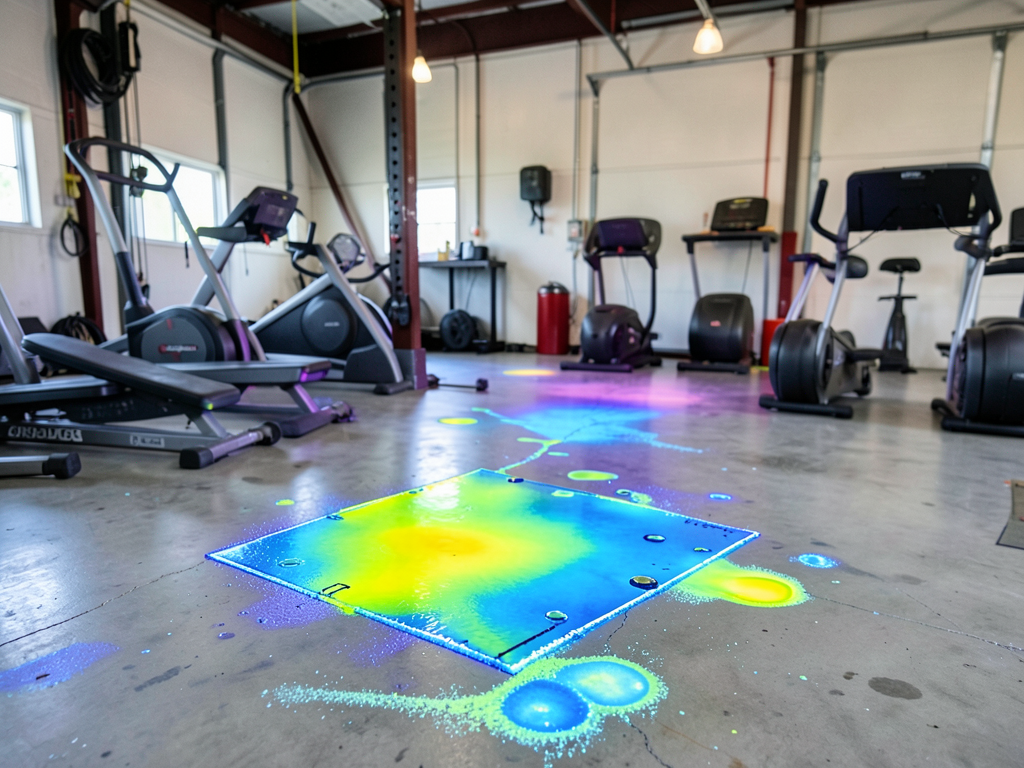
Why Your Garage Floor Is Sweating From Gym Equipment Your heavy gym equipment is creating a perfect storm for garage floor condensation in Jacksonville's humid climate. When you place large metal weights or rubber mats…
The truth about water damage and the resale value of your home in Shearwater\n\nWater damage…
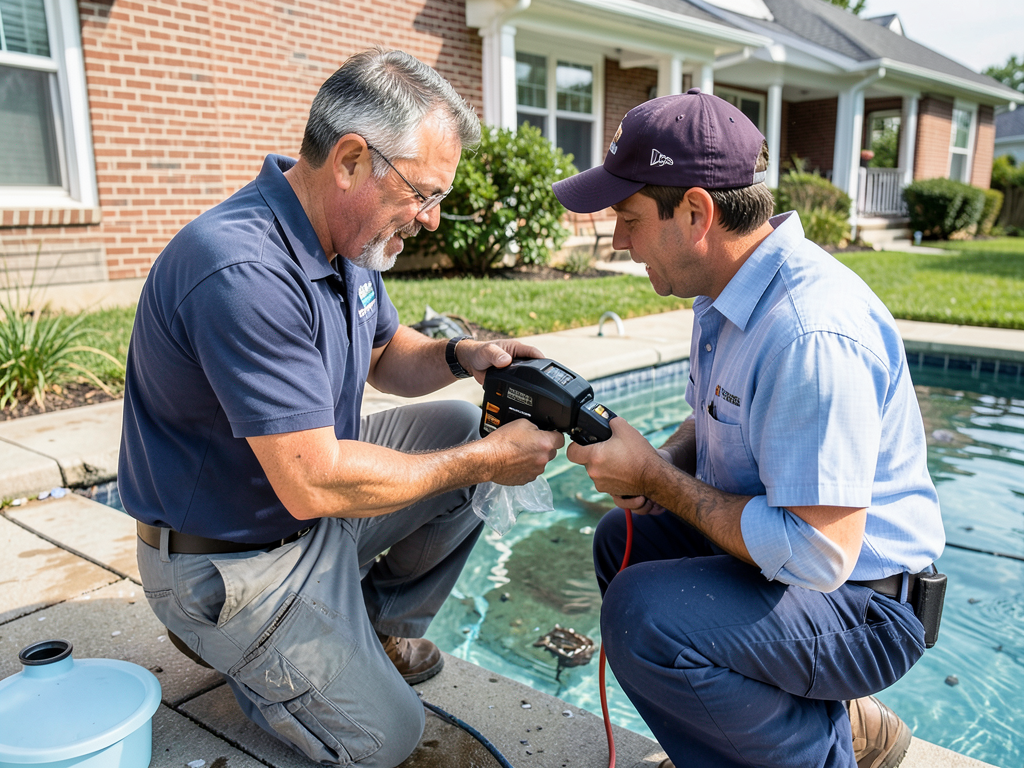
What to do if your neighbor’s pool bursts and floods your Arlington yard Your Arlington…
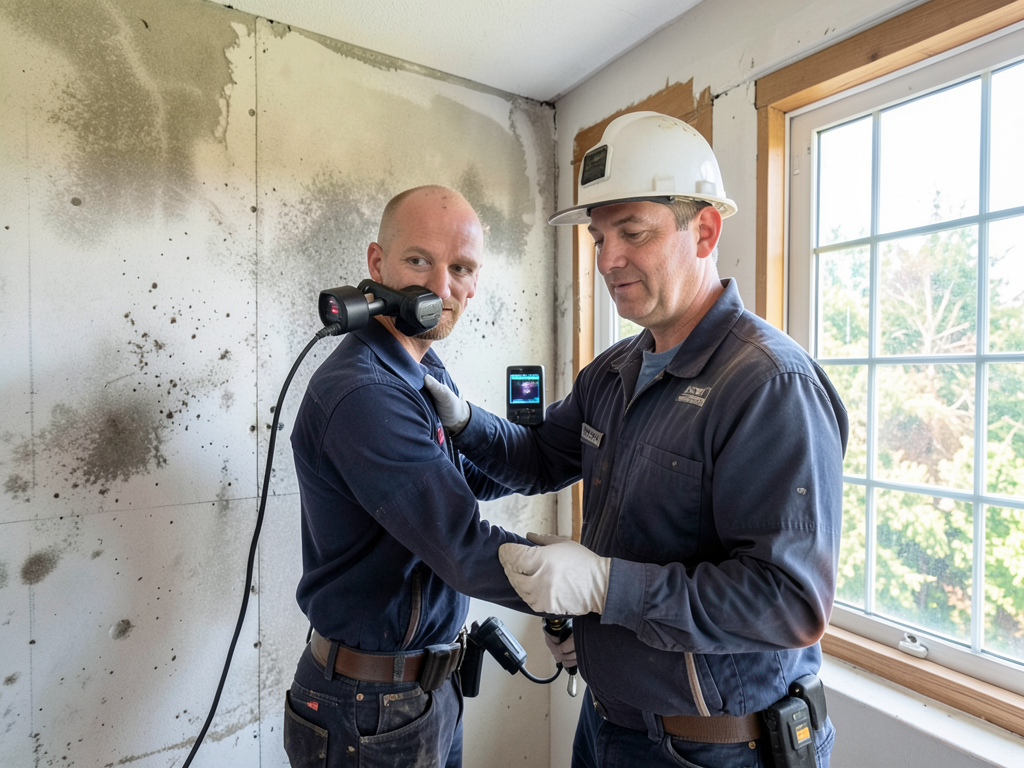
Handling the mess when your backyard koi pond overflows into your sunroom When your koi…
Every minute counts when water invades your property. Our Jacksonville crews are standing by 24/7 to respond to your emergency. Call (904) 839-6500 right now for immediate dispatch. We arrive within 60 minutes, extract water fast, and prevent permanent damage to your home or business.